This article is general information, not medical advice. If a symptom is new, getting worse or worrying you, talk to a doctor.
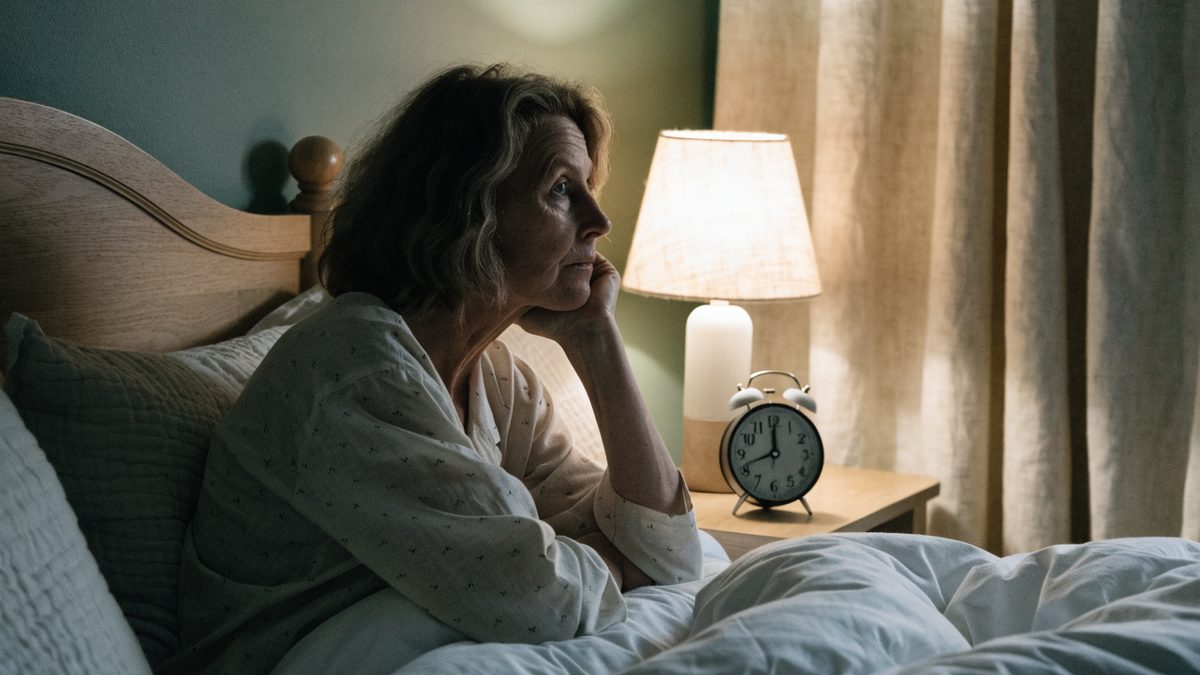 If you keep waking at 3am and staring at the ceiling, you are far from alone. Brief awakenings during the night are normal. What turns them into a problem is waking fully and not being able to drift off again. The good news is that most causes are simple and fixable.
Why 3am? How your sleep changes through the night
Sleep runs in cycles of roughly 90 minutes. Early in the night you get more deep sleep. In the second half, from about 2am to 5am for most people, sleep is lighter and has more dreaming (REM) sleep. You surface briefly between cycles several times a night and usually do not remember it. At the same time, your body starts raising cortisol, a wake-up hormone, in the early morning hours. So 3am is a natural weak spot: any extra nudge, such as a full bladder, a warm room or a worry, is more likely to wake you fully.
10 common causes of waking at 3am
1. Alcohol in the evening
A drink can help you fall asleep faster, but as your body clears the alcohol, sleep becomes lighter and more broken in the second half of the night. If your 3am wake-ups cluster after evenings with wine or beer, this is the first thing to test.
2. Caffeine later in the day
Caffeine stays in your system for hours. Its half-life is around five hours on average, and much longer for some people. An afternoon coffee can still be lightening your sleep at 3am. Try keeping caffeine to the morning for two weeks.
3. Stress and a busy mind
Stress keeps your nervous system on alert. Combined with the natural early-morning rise in cortisol, it can snap you awake with your mind already racing. If that sounds familiar, see our guide on how to fall asleep when your mind won’t switch off.
4. Needing the toilet
Waking to pee (nocturia) becomes more common with age. Cutting fluids in the two hours before bed helps. Waking to urinate twice or more every night is worth mentioning to a doctor, because it can be linked to prostate, bladder, blood sugar or heart issues.
5. A bedroom that is too warm
Your core temperature drops overnight to support sleep. A warm room or heavy bedding fights this. The Sleep Foundation suggests a bedroom of roughly 60 to 67°F (15 to 19°C).
6. Hot flushes and night sweats
For women in perimenopause and menopause, night sweats are a very common reason for early-morning waking. Lighter layers, a fan and a cooler room help. If they are frequent and disruptive, talk to a doctor about treatment options.
7. Acid reflux
Lying flat after a large or late meal can let stomach acid rise, which may wake you with heartburn, coughing or a sour taste. Eat earlier and raise the head of the bed if this happens.
8. Snoring and sleep apnea
In obstructive sleep apnea, breathing repeatedly stops and starts during sleep. Loud snoring, gasping, morning headaches and daytime sleepiness are warning signs. Sleep apnea is common, under-diagnosed and treatable, so it is worth a proper check.
9. Pain and an unsupportive pillow
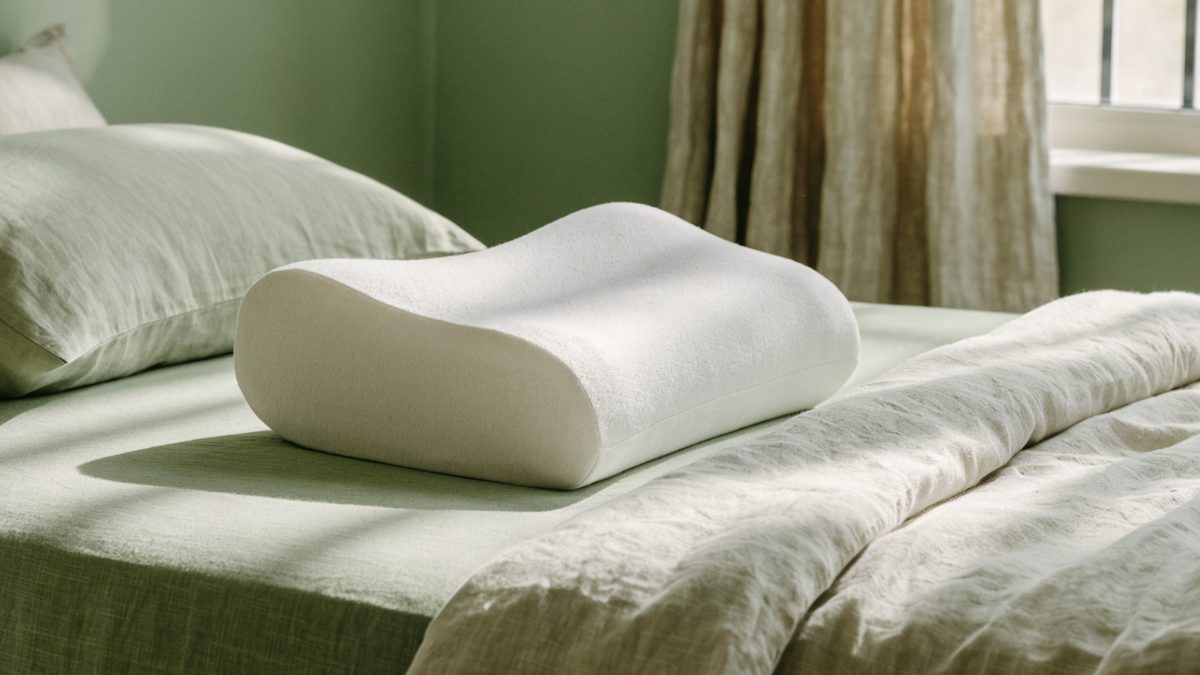
Neck, shoulder or back pain can wake you when you shift position. A pillow that keeps your neck in line with your spine can make a difference for some people. We looked at one popular option in our Derila Ergo pillow review.
10. Getting older
Sleep naturally gets lighter and more broken with age, and many people start waking earlier. That is normal, but it makes all the other causes above matter more.
What to do when you wake at 3am
- Do not check the clock. Calculating how much sleep you have left raises stress and makes it harder to drift off. Turn the clock away.
- Stay off your phone. Bright screens and messages wake your brain up further.
- Use slow breathing. Breathe out for longer than you breathe in, for example in for four counts and out for six, for a few minutes.
- Get up if you are still awake after about 20 minutes. Go to another room with dim light and do something calm, like reading a paper book, until you feel sleepy. This stops your bed becoming linked with lying awake. It is a core part of CBT for insomnia.
How to stop it happening: a two-week plan
- Keep the same wake-up time every day, weekends included. This is the strongest single signal for your body clock.
- Keep caffeine to the morning and test two weeks without evening alcohol.
- Cool the bedroom and use lighter bedding.
- Finish eating two to three hours before bed and limit fluids in the last two hours.
- Write tomorrow’s to-do list before bed so worries are on paper, not in your head.
- Get daylight soon after waking and move during the day.
Keep a simple sleep diary while you do this: what time you went to bed, when you woke, what you drank and how you felt. Patterns often show up within a week.
Do sleep supplements help with waking at night?
Most sleep supplements are better studied for falling asleep than for staying asleep. Melatonin has modest evidence for shifting sleep timing and shortening the time it takes to fall asleep, and much less for preventing night waking. Evidence for magnesium and most herbal blends is mixed. If you try one, pick a product with a full ingredient list and doses, a named company and a clear refund policy, and check with a pharmacist if you take other medicines.
Our top pick for night waking is YU Sleep, a gentle blend of tart cherry, magnesium, L-theanine and a low dose of melatonin, designed to help you fall asleep and stay asleep. It comes with a 60-day money-back guarantee. If you take other medicines, check with your pharmacist first.
When to see a doctor
- You have trouble sleeping three or more nights a week for three months or more. That is the usual definition of chronic insomnia, and CBT for insomnia (CBT-I) is the recommended first treatment.
- Someone has noticed loud snoring, pauses in your breathing or gasping.
- You wake to pee twice or more every night.
- You feel very sleepy during the day, or nod off while driving.
- Low mood or anxiety comes with the early waking. Early-morning waking can be a sign of depression.
Bottom line
Waking at 3am usually happens because the second half of the night is naturally light, and something such as alcohol, stress, heat or a full bladder tips you over into full wakefulness. Find your trigger with a short sleep diary, fix the basics, and get up rather than lie there fighting it. If it continues for months, ask your doctor about CBT-I or a sleep study.
Frequently asked questions
Is waking up at 3am a sign of something serious?
Usually not. It is most often linked to lighter late-night sleep plus a trigger like alcohol, stress, heat or needing the toilet. See a doctor if it happens most nights for months, or comes with loud snoring, gasping, low mood or daytime sleepiness.
Why do I wake up at the same time every night?
Your body clock runs on a regular rhythm, so light sleep phases and the early-morning rise in cortisol happen at similar times each night. Once you have woken at 3am a few times, worrying about it can also make it a habit.
Should I get up or stay in bed if I cannot get back to sleep?
If you have been awake for around 20 minutes and feel alert or frustrated, get up and do something calm in dim light until you feel sleepy. This is a standard part of CBT for insomnia.
Does melatonin help you stay asleep?
Melatonin is better at helping with sleep timing and falling asleep than with staying asleep. Evidence for preventing night waking is limited.
What hormone is released at 3am?
Cortisol starts rising in the early morning hours as part of your normal daily rhythm, peaking shortly after you wake. Stress can make this rise more noticeable and harder to sleep through.
Why do I wake up at 3am to pee?
Making more urine at night becomes common with age. Cut fluids in the two hours before bed and limit evening alcohol and caffeine. Waking to pee twice or more every night is worth discussing with a doctor.
Why do I wake up at 3am with anxiety?
Sleep is lighter in the early morning and cortisol is starting to rise, so a stressed mind is more likely to wake fully. Slow breathing, not checking the clock and getting up after about 20 minutes help. Persistent early-morning anxiety or low mood should be discussed with a doctor.
How does aging affect sleep patterns?
With age, sleep becomes lighter, with less deep sleep and more brief awakenings, and many people start going to bed and waking earlier.